Blogs Directory

Showing posts with label Leeward Islands. Show all posts

Friday, June 10, 2016

Some of the Best in Cruising Part 2: The Ports

When I’ve been asked for my favorite Caribbean island, I struggle to find an answer. Because I like so many, each for a different reason. But what they all have in common is plenty to see and do close to where the ship pulls in (no excursion required!). Here, then, is my “best of” list for the Caribbean cruiser:

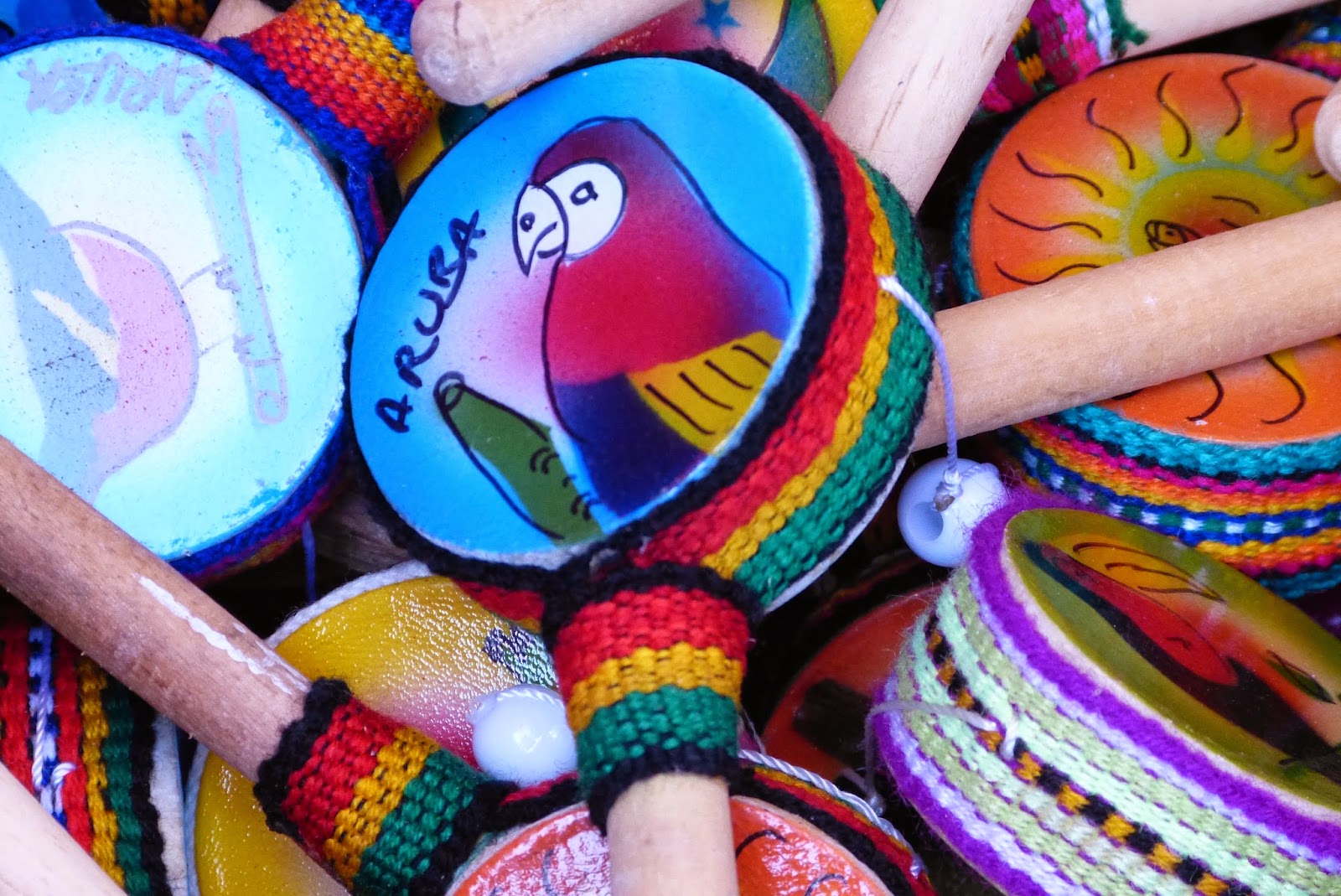
Shopping: Cozumel. There’s great shopping right at the pier, or you can grab a cab into town for a mind-numbing selection of more of the same. Colorful ceramics; onyx chess sets and figurines; silver jewelry with gems and without; and inexpensive knickknacks from maracas to magnets makes shopping a blast. You’ll find consumables there, too. Read more at Chocolate, Rum and Spice: Food Souvenirs of the Caribbean.  

Cozumel in color.
Best beach: private islands. These are, simply put, paradise. Carnival’s Mahogany Bay in Roatan, Honduras; Princess Cays in the Bahamas; and Royal Caribbean’s Labadee on Haiti offer the quintessential Caribbean beach day. They’ve got powdery sands and calm blue waters perfect for swimming and water sports; palms and hibiscus and bougainvillea to feast the eyes; and lounge chairs everywhere, along with plenty of shops and ways to soothe a parched throat.

The private islands are surely the best way to relax on a cruise.
Lined up and ready to go at Princess Cays.
Biggest variety: St. Maarten. A beach right in town, cheap chair-umbrella-beer packages, surfside seafood shacks, water sports, great shopping, gambling and even a blast from the past—an automat—selling local foods like the Dutch kroket. This lively place of merriment is constantly changing—for the better. There’s more at “How to Spend Your Cruise Day in St. Maarten.”

Prettiest harbor: Dominica, Bonaire. This one’s a tie. Dominica has perhaps the most compact port, with its location at the foot of surrounding velvety green hills. Be prepared to invest some leg muscle if you walk around town, where you can visit a farmers market or grab some free wi-fi at the local library. Or, shop the stalls at the pier, where you can get locally woven baskets and other souvenirs.

Then there’s the transparent waters of Bonaire, where a stroll along the waterside promenade is like a visit to an aquarium. Vibrant-colored fish swish by underfoot, and the sea around you is a painter’s pallet of shades of azure. Read more at Knowing Your ABCs.

A walk along the promenade in Bonaire is like a visit to an aquarium.
Most European-ish: St. Barts. Part Riviera, part Caribbean, totally French, St. Barts is remarkable for many reasons. You won’t find any bargains here, but you’ll marvel at the mega yachts parked in town, the hilly and winding streets that force cars and all manner of local vehicles to part halfway on the sidewalk. You can sip café au lait at a seaside café, nibble on quiche from the local patisserie, marvel at the wines lining the walls at the supermarche´ or browse the fashionable shops. St. Barts is off course and worth it.

Paris? Mais non, the patisserie of St. Barts.
Time travel: San Juan. With two well-preserved, exhibit-laden forts, a dramatic fountain honoring the island’s birth, blue cobblestone streets, mosaic stairwells, and even shops selling Spanish hand fans and the short jackets of the matadors, the old town of Puerto Rico’s capital takes the cruiser back in time. No DeLorean needed here—just a little bit of pedestrian power.

San Juan is one of those ports that are made for walking.

The ancient wall today protects San Juan from sailboats.
Memorable feature: Curaçao. This Southern Caribbean Leeward island off the Venezuelan coast has several oddities—a floating bridge that takes you to the colorful Punda District when it’s not stepping aside to let boats through, and a fruit and veggies market where vendors sell their stuff out of wooden boats tied up to the dock. And if that’s not enough, how about liquor that’s made from oranges but is blue in hue?

Float your way to Curacao's Punda district.

So, that’s my “best of list.” What’s yours?

Musing’s Top Tip: Did you miss Some of the Best in Cruising Part 1? Then check it out here, for ship life highlights—from what’s on your plate to what’s on the stage.


Saturday, August 16, 2014

Knowing Your ABCs

"Arizona by the Sea," otherwise known as Bonaire
Cactus in the Caribbean? I couldn’t believe it either. But, sure enough, the arid climate creates desert-like conditions right alongside the dazzling blue waters of the ABCs, short for Aruba, Bonaire and Curaçao. It’s enough to have earned Bonaire the nickname “Arizona by the Sea.”

If you haven’t yet made it to the Leeward ABCs in the Southern Caribbean, off the Venezuelan coast, get onboard quick. They’re a confluence of Dutch, Caribbean and Spanish vibes, desert and ocean landscapes, and each is colorful and interesting in its own way. And best of all for those of us who like to cruise on the cheap—there’s a ton to do just a stone’s throw from the pier.

Here, in brief, are some of the walkable highlights of the ABCs:

Aruba: Shopping, Iguanas and Anne Frank
What you notice most about Oranjestad, the capital of Aruba and port city, is color. Buildings in pink and yellow, trimmed in white. Green parakeets perched on palm trees. Hues of blue sea. Princess calls it “Holland meets Disney’s Fantasia.”
 
But no backwater is this; Aruba is vibrant and bustling. And a lot of fun to explore. Pose for the tablet camera while you drape yourself over the giant “I love [heart] Aruba.” And if you haven’t already lost enough money on the ship, there are some casinos that, to quote a cruise director, “would welcome your donation.”

Some of the colors of Aruba
Greenery. If you walk straight up L.G. Smith Boulevard, the city’s main drag, you’ll come to Wilhelmina Park. Queen Wilhelmina herself reigns from the center of this city oasis, and don’t miss the sweet tribute to Anne Frank. Sometimes, there will be picnickers and teens with guitars, but you can always count on dozens of wild iguanas because the park staff keeps them coming by doling out handfuls of greens.

Shopping.  Aruba gets an “A” for shopping. The prices are among the best in the Caribbean for knickknacks. And while most of it comes to the Caribbean by way of China, you can also get the delicate mopa mopa crafts that are made locally from tree resin, Dutch edam and any manner of faux Delft souvenirs. There are several shopping centers and vendors along L.G. Smith, as well as vendors clustered near the port.

Bonaire: No Snorkeling Needed
This lovely island is not often visited by the mass market ships and it’s really a shame. It’s by far my favorite. The ship docks in the capital city of Kralendijk (pronounced Crah-len-deyk) and the port area is positively pristine.
The pristine waters of Bonaire
Ocean walk. Just off the pier is the Promenade, a walkway along the stunning sea. No snorkeling needed here; the show can be seen right from where you stroll, while you stay nice and dry. The water is so unbelievably clear that we watched, mouths hanging open, as schools of green-and-blue fish swam past us. It was as if we were at the zoo and the fish had been put there for our amusement. Shells, crabs and coral litter the beach below the walkway, across from homes adorned with cactus and hibiscus.

Shopping. You will think the ship took a wrong turn and landed in Scarsdale. Vendors’ wares are more made-at-home than made-in-China. Think painted soaps and needlework vs. t-shirts and ashtrays. The main shopping street has some interesting tourist shops and a chance to buy the local craft—painted gourds, which make great Christmas ornaments.

Bon Bini* to Curaçao
Bridging to the Punda in Curacao
Your ship will dock in the capital city of Willemstad. Take the Waterfront Promenade past modern shops and into a small mall bordered by the 19th century Rif Fort. There are a few boutiques and cafes, but the real excitement is just a short walk through the courtyard—the Punda District, or old part of Curaçao. Its colorful fairy-tale buildings line up to greet you as you cross the channel via the Queen Emma Pontoon, a floating bridge that opens and closes to boats and pedestrians.

Strolling. The Punda has some European-style cafes along the water and many shops both for tourists and locals. There’s also the Mikve Israel Emanual Synagogue, circa 1732 and the oldest synagogue in continuous use in the Western Hemisphere.

Shopping. Unique to Willemstad, in the old town, is the floating market, where vendors from Venezuela sell their papayas and pineapples from their small wooden boats. If you’re not inspired to try some, at least pull out your cell phone for some great photo-taking. And before you leave Curaçao, consider taking home some of the local spirit; you can’t miss it in the liquor store—it’s just about the only thing that’s blue.

Click here for more photos of the ABCs by the pier.

* Means “welcome” in the local Papiamento dialect.